Is Freediving Dangerous? Safety, Risks and What You Need to Know
Nikki · 23 March 2026
Freediving has a reputation for being extreme. The reality is more reassuring than most people expect. The risks are real and well understood, and they are managed by the same things every certified course teaches: never diving alone, the buddy system, gradual progression, and learning to read your body instead of overriding it.
In this guide I want to break down what actually causes incidents in freediving, why most of them are avoidable, and how recognised systems like Molchanovs and Apnea Total are built specifically around safety. If you are nervous about trying freediving, this is the article to read first.
The single most dangerous thing in freediving
It is not depth. It is holding your breath in water alone. Almost every serious freediving incident comes down to a diver pushing a breath-hold with no trained buddy watching them. That is exactly why, at Orenda, you never dive alone. Every session uses a one-up-one-down buddy system: one person dives, one person watches at the surface and meets the diver on the way up.
This is also why we never teach static breath-holds in open water without direct supervision, and why our beginner courses start in shallow, controlled conditions. Safety is not an add-on to the course. It is the course.
What can actually go wrong, and how we manage it
The two things people worry about most are blackout and barotrauma. A blackout is a brief loss of consciousness from low oxygen, usually near the surface at the end of a long dive. It sounds frightening, but with a trained buddy beside you it is managed quickly and safely, which is the entire point of the buddy system. We teach you to recognise the warning signs in yourself and in others, and to rescue a buddy calmly.
Barotrauma, usually in the ears or sinuses, comes from descending faster than you can equalize. The fix is simple: equalize early and often, go down slowly, and never force a dive when your ears are not clearing. We progress depth gradually, only when your equalization is solid.
Freediving is largely about learning to stay calm, and that is exactly what we teach: relaxation, breathing, and reading your body.
Why training changes everything
An untrained person holding their breath and pushing depth out of bravado is taking real risks. A trained freediver doing the same dive is doing something completely different, because they understand their physiology, they dive within a plan, and they have a buddy. The skills are not complicated, but they have to be learned properly.
Recognised education systems exist for this reason. Molchanovs and Apnea Total both build their entire curriculum around safety first, technique second, depth last. You earn depth by demonstrating control, not by chasing a number.
If you are nervous, that is normal
Most of our students feel some nerves before their first session, and that is completely healthy. You start in calm, shallow water with an instructor right beside you, and you only ever go as far as you feel ready to. There is no pressure to perform. Done properly, freediving is calm, controlled, and one of the most grounding things you can learn in the water.
If you have questions about safety, fitness, or trying freediving for the first time, message us. We are happy to talk it through before you book anything.
Nikki
Founder and Instructor Trainer at Orenda Freediving, Koh Tao.
Keep reading
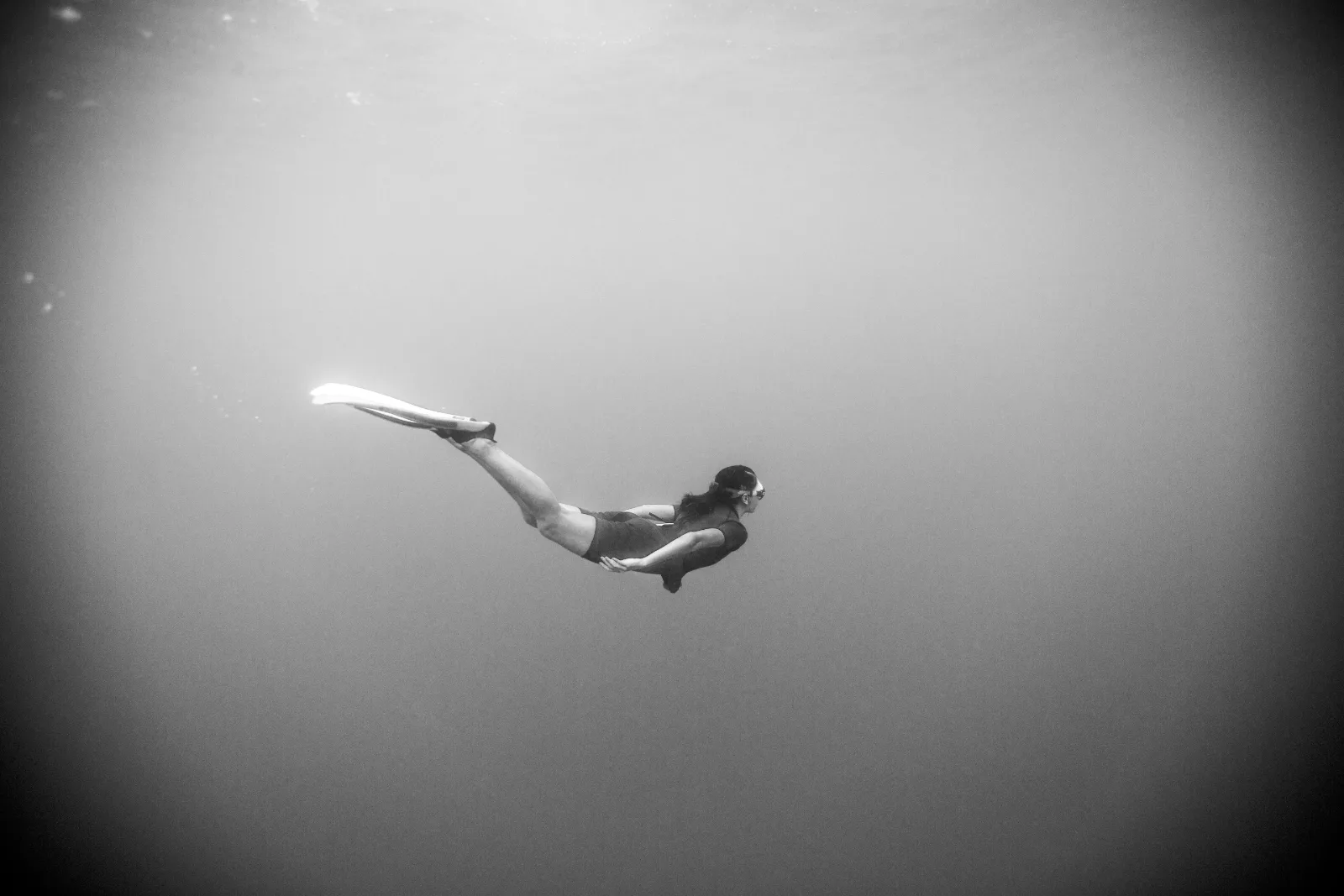
How to choose your first freediving fins
Choosing your first freediving fins? Learn what to look for in fit, blade stiffness and materials, and discover the differences between plastic, fiberglass and carbon fins in this beginner’s guide.
Read
Orenda: A Passion Project Inspired by the Ocean
The story behind Orenda Freediving & Island Cruises: fourteen years of teaching, a love of the ocean, and a dream of sharing Koh Tao's underwater world.
Read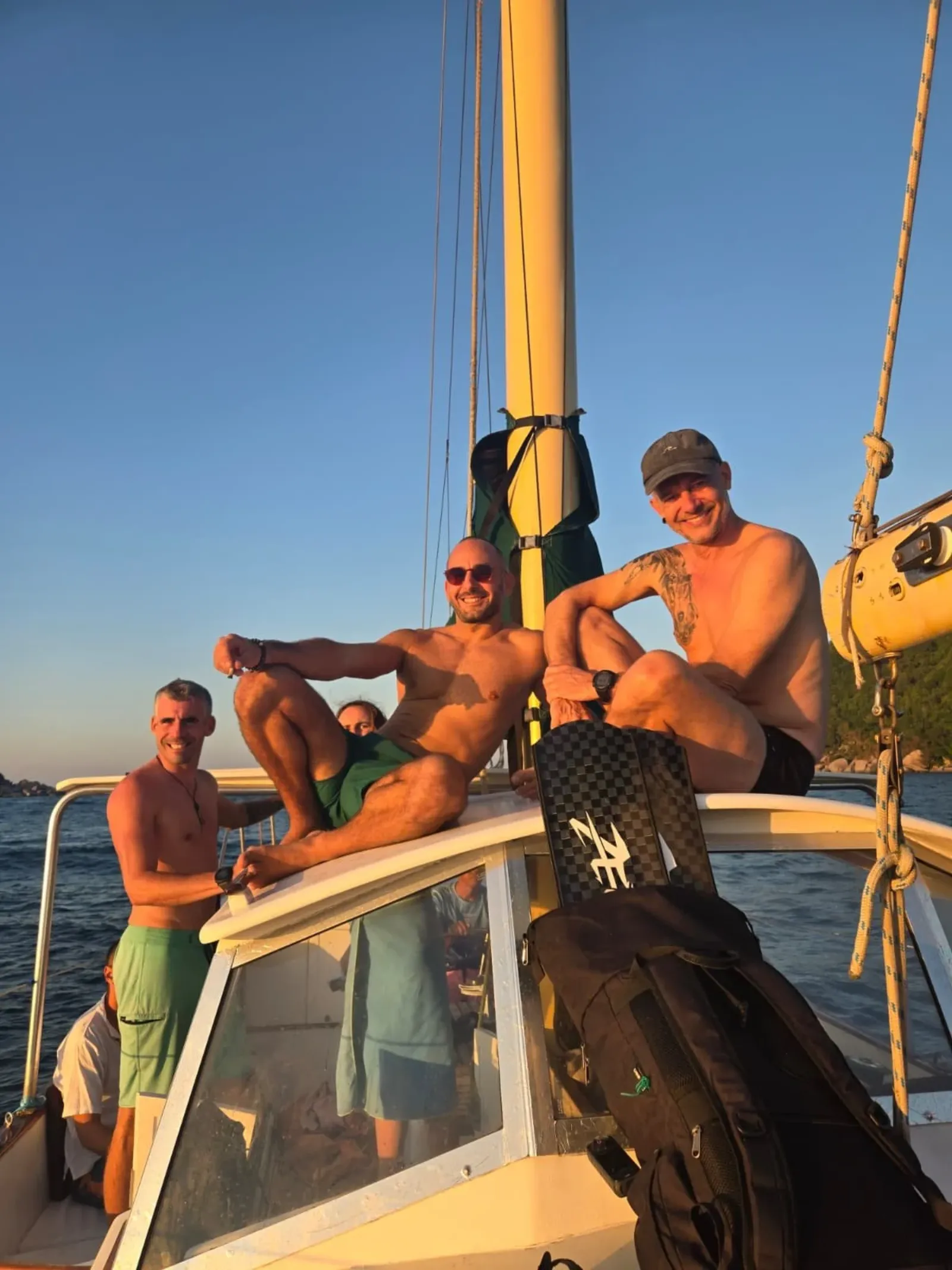
Freediving Koh Tao Boat Trips: Sailing, Freediving, Snorkelling and Ocean Adventures
Experience a freediving boat trip in Koh Tao with sailing, snorkelling, and visits to some of the island's best dive sites.
Read